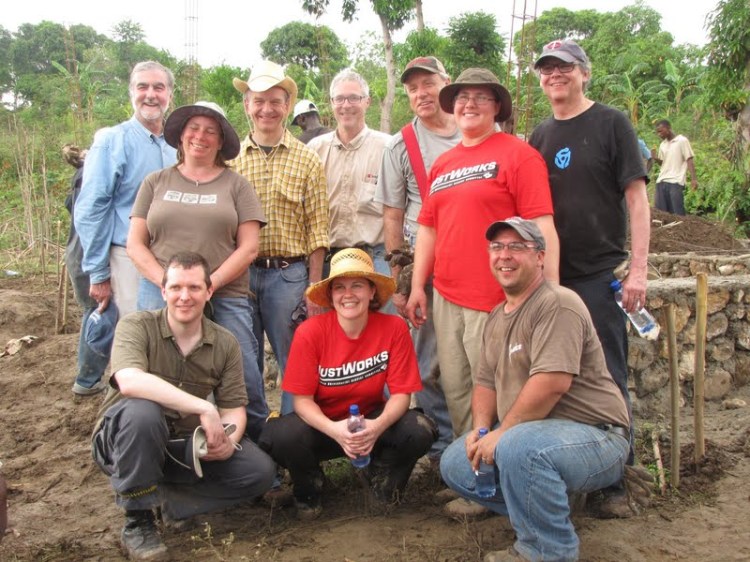
My understanding of the role of ministry and anti-oppression work was solidified in 2011, when I went on a week-long service trip to Haiti organized jointly by the UUSC and the UUA for seminarians and UU leaders. Our main purpose was to learn how to partner with organizations and to inspire intersectional religious leadership within our faith.
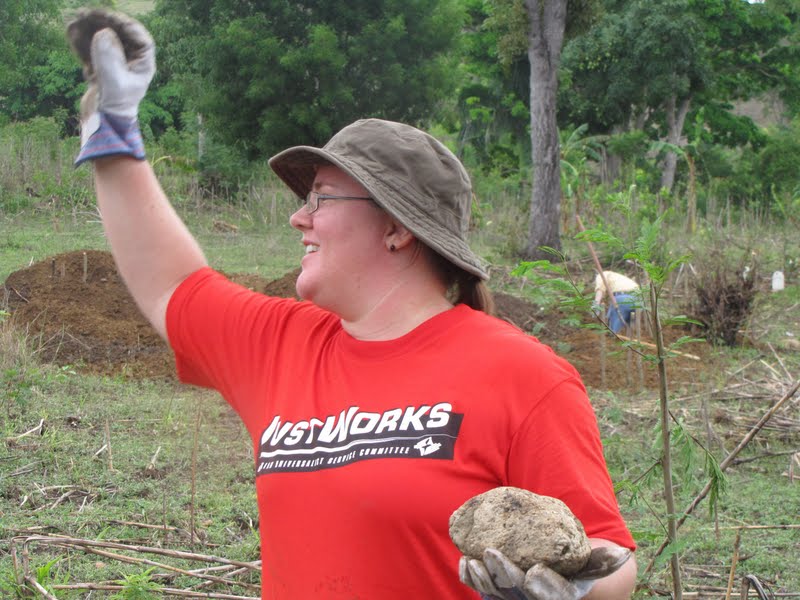
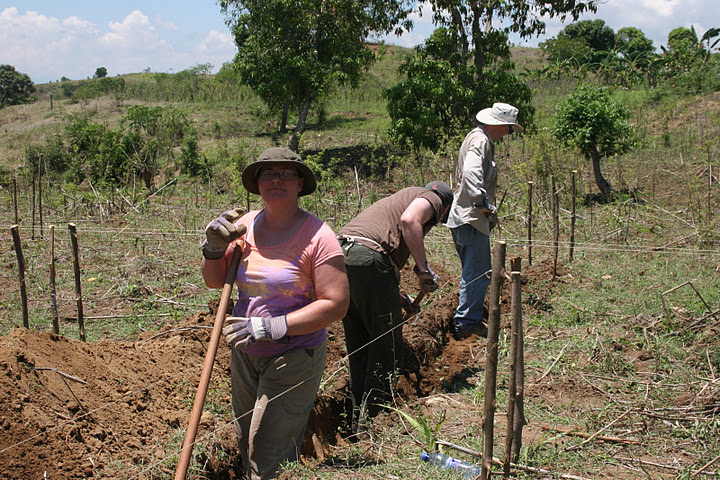
We learned that intersectional justice work must engage a critical analysis of structures of power and privilege. We learned that this work was not a service journey from which we would come home feeling great about what we did. The history of UU justice engagement has been as seeing ourselves as paternalistic saviors. Instead, the goal was to learn how systems of oppression and injustice function and to ally ourselves with grassroots groups already doing this work. I needed to stop doing and instead, step back and listen to communities directly affected by environmental injustice. My hope is to learn how to lead other UUs to become partners.
I learned on this trip that I am grounded in UU theology that promotes an understanding of my place in the interdependent web of existence. I want my ministry to be a means for upending the structures of dominion by fostering intersectional understanding and justice through critical study and direct relationship. The means and the ends are the same. Unitarian Universalist religious leadership is called to be in relationship and follow the lead of communities directly affected by environmental racism.
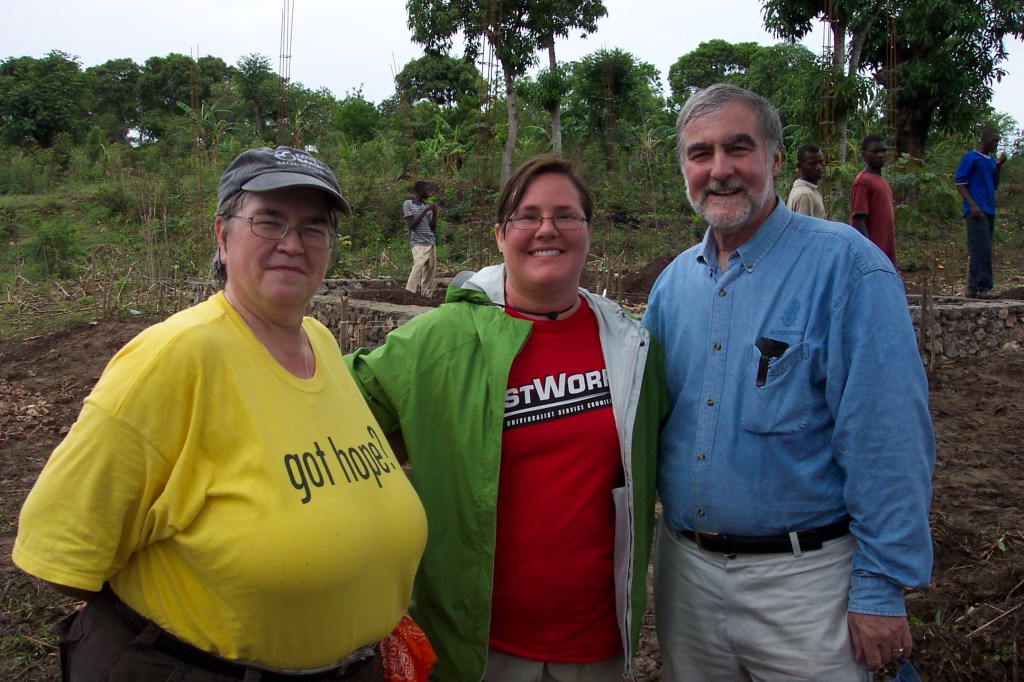
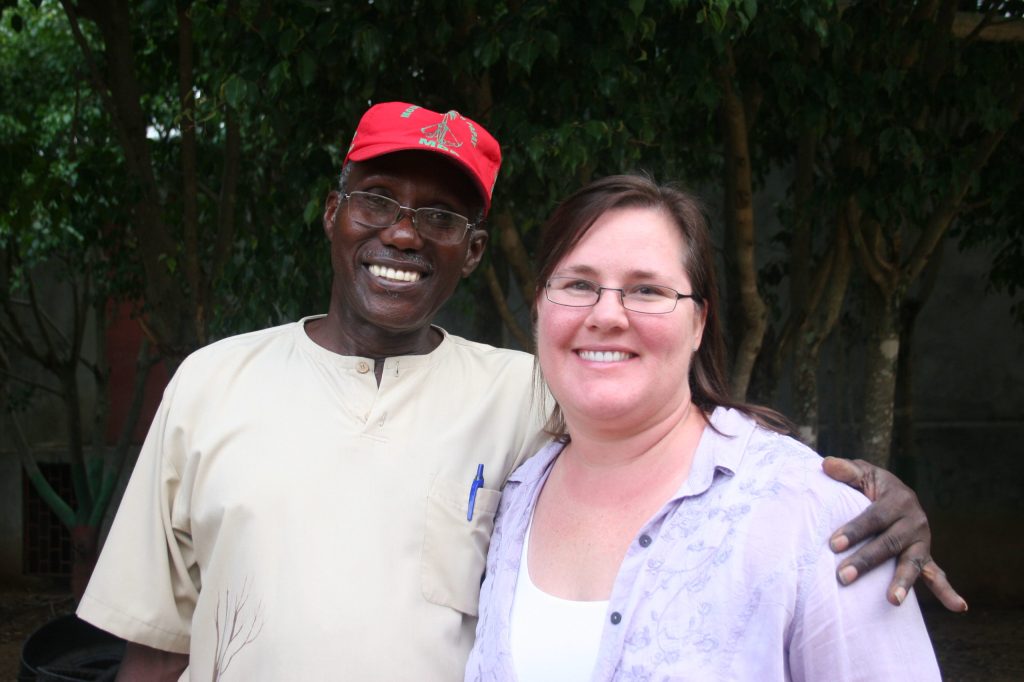
My hope is that my ministry inspires others to commit to the value of learning and study and stay spiritually resilient in the face of oppression. I find solace in the words of Rev. Dr. Sofia Betancourt, “We are all against a massive wall of issues onto the human family. The spiritual goal is to stay grounded and sane so that we can stay human.” As a faith practice, this work is important when we are up against the wall of all of the many realities of injustice. So we turn to each other for a reminder that we are a part of the interdependent web of all existence. “Lean into love; lean into human relationships,” she concludes. There we will find the grace of faith and love and I strive for my ministry to inspire such grace.
 Rev. Christina Branum-Martin